Understanding the Tournament Structure
The FIFA World Cup is a month-long football spectacle, and grasping its format is the first step to full appreciation. The tournament begins with a group stage, where 32 teams (expanding to 48 in 2026) are divided into eight groups. Each team plays every other team in its group once. The top two teams from each group, based on points (three for a win, one for a draw), then advance to the knockout stage.
This knockout stage is a single-elimination bracket, consisting of the Round of 16, Quarter-finals, Semi-finals, and the Final. There is also a third-place playoff match between the two losing semi-finalists. Unlike league competitions, draws are not permitted in knockout matches after regular time; they proceed to 30 minutes of extra time and, if necessary, a penalty shootout. This structure ensures every match carries immense, often decisive, weight, especially in the later rounds.
Key Terminology to Know
Familiarizing yourself with common football and World Cup vocabulary will greatly enhance your viewing experience. Beyond basic terms likegoal,offside, andpenalty, specific phrases are crucial.Group of Deathrefers to a first-round group perceived as exceptionally strong, with several top-tier teams.Clean sheetmeans a team conceded no goals in a match.Golden Bootis the award for the tournament's top scorer, while theGolden Ballis awarded to the best overall player.
Understanding the roles is also important. Thegoalkeeperis the only player who can handle the ball within the penalty area.Defendersprotect the goal,midfielderscontrol the flow of the game, andforwardsorstrikersare primarily responsible for scoring. The referee's signals, such as indicating a direct free kick (pointing forward) or an indirect free kick (raising an arm), are also valuable to interpret.
Planning Your Viewing Experience
With matches occurring across multiple time zones, strategic planning is essential. First, secure the official broadcast schedule from FIFA's website or your local sports network. Matches are often categorized into time slots: early afternoon, late afternoon, and evening. Prioritize matches based on your interests—perhaps following a specific nation's team, watching historical rivalries, or catching games that will affect the knockout bracket.
For viewers in regions with significant time differences, this may involve late nights or early mornings. Consider recording matches or using official streaming services that offer full-match replays and highlights on demand. Many services also provide a "spoiler-free" mode, allowing you to watch a recorded match without seeing the score beforehand. Planning ensures you don't miss the pivotal moments of the tournament.
Leveraging Digital and Social Media
In the modern era, watching the World Cup extends beyond the live broadcast. Official FIFA apps and websites provide real-time statistics, line-ups, and detailed match commentary. Platforms like Twitter and Instagram offer instant reactions, expert analysis, and behind-the-scenes content from teams and players. Following relevant hashtags (e.g., #WorldCup, #FIFAWorldCup) can curate a global conversation around each match.
However, it's critical to rely on verified sources. Official team accounts, recognized sports journalists, and established news outlets provide accurate information. Fan forums and dedicated subreddits can offer passionate discussion and diverse perspectives, enriching your understanding of the game's narratives and tactical nuances.
Appreciating the Cultural and Tactical Dimensions
The World Cup is more than a sports competition; it's a global cultural event. Each team brings a distinct style of play often reflective of its footballing philosophy. Observing these differences is a key part of the enjoyment. You might see the tactical discipline and pressing of European teams contrasted with the technical flair and individual creativity often associated with South American sides.
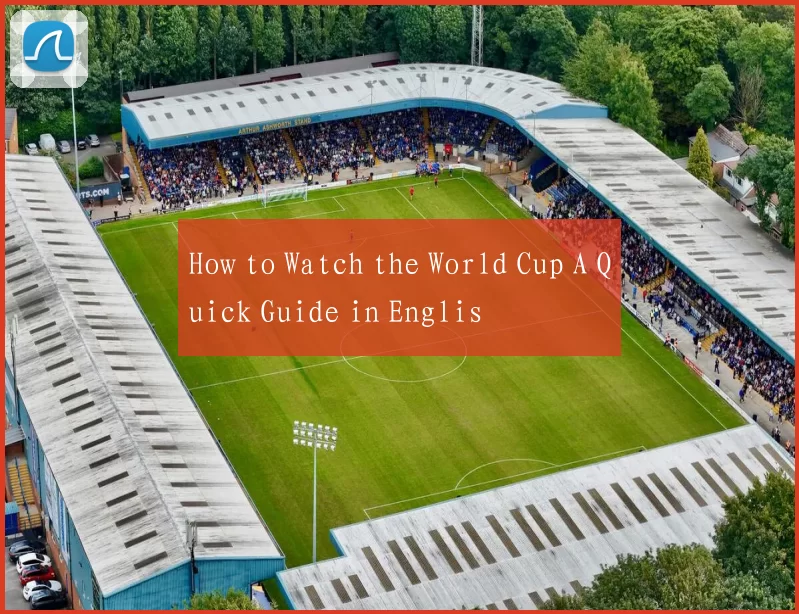
The atmosphere, both in the stadiums and in the host nation, is a major component. Pay attention to the fan costumes, national anthems, and cultural displays. The tournament is a celebration of global unity and national pride, and this context adds profound emotional weight to the on-field action.
Engaging in the Social Aspect
Football is a social sport, and sharing the experience amplifies its enjoyment. Organize viewing parties with friends or family. Local pubs, sports bars, and public viewing areas in major cities often create vibrant atmospheres for matches. Engaging in friendly discussions and predictions about match outcomes, standout players, and tournament favorites is a central part of the fan experience.
For those new to the sport, don't hesitate to ask questions. Most fans are eager to explain rules, team histories, or player backgrounds. This social engagement transforms passive viewing into an active, communal event, creating lasting memories around the tournament's biggest moments.
A Practical Checklist for New Viewers
To summarize the action plan, here is a concise checklist to prepare for the World Cup:
- Learn the Basic Rules:Understand offside, fouls, and the tournament's knockout format.
- Pick a Team (or Teams) to Follow:This gives you a narrative to invest in throughout the tournament.
- Secure Your Viewing Method:Confirm your TV broadcaster or streaming service subscription well in advance.
- Study the Schedule:Identify must-watch matches and plan your time accordingly.
- Gather Social Resources:Follow key accounts online and consider where you'll watch socially.
- Embrace the Learning Curve:Focus on enjoying the spectacle, the goals, and the drama; deeper tactical understanding will develop over time.
By following this guide, you will be equipped to navigate the schedule, understand the action, and fully immerse yourself in the greatest sporting event on the planet. The World Cup is a unique convergence of elite sport, national identity, and human drama, offering a compelling experience for both seasoned fans and newcomers alike.